Dumbbell Workouts That Support Better Sleep
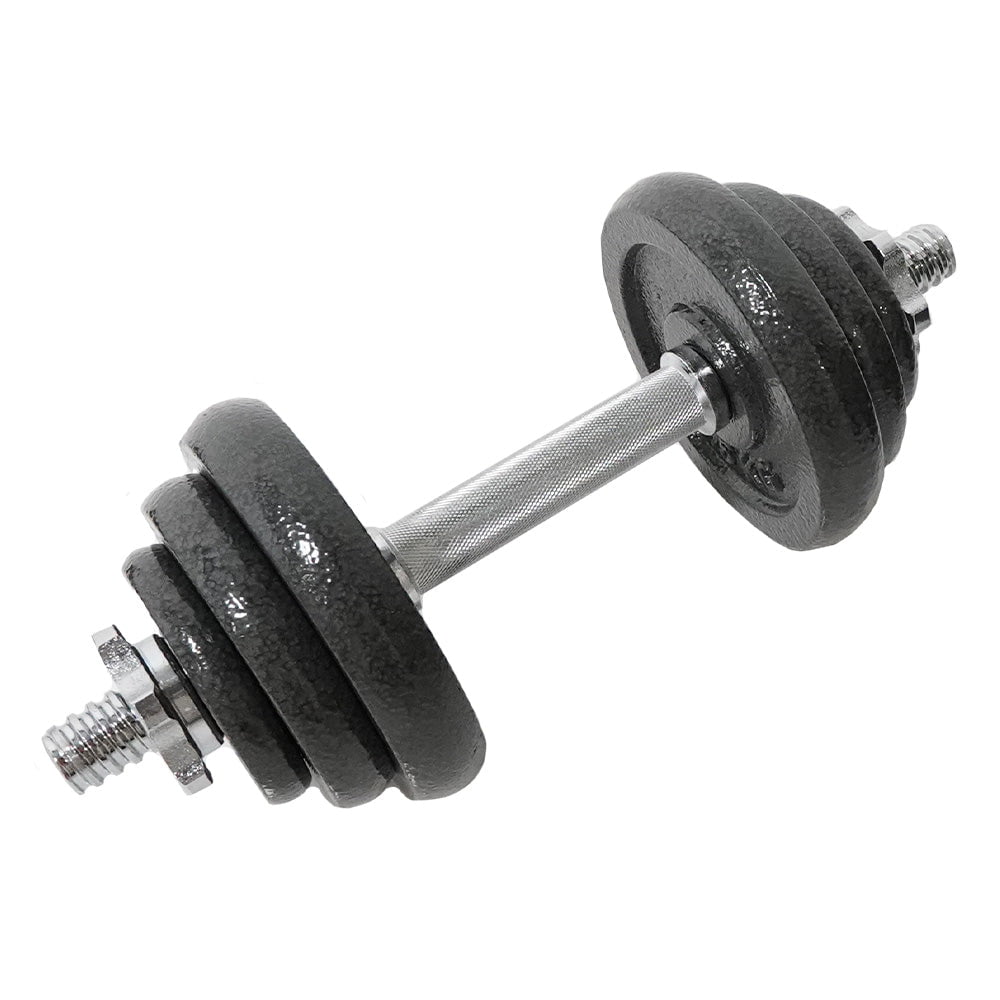
Tossing and turning, counting sheep until dawn? You're not alone. Quality sleep often feels like a luxury in our busy lives, but what if I told you those dumbbells gathering dust in the corner could be your ticket to dreamland? It's time to understand the incredible connection between strength training and restorative sleep.
Dumbbell workouts can be a powerful ally in your quest for better sleep by helping regulate your body's natural sleep-wake cycle, reducing stress and anxiety, and promoting physical fatigue that encourages deeper rest. They offer a convenient and effective way to manage these factors, paving the way for more peaceful nights.
Here's a thought: a consistent home strength routine, even just 20-30 minutes a few times a week, can be a total game-changer. Think of each rep as an investment in your sleep bank. It’s about finding that sweet spot where you’re challenging your muscles without overdoing it. It's a balanced approach, focused on functional fitness for everyday life, and ultimately, for a more restful night.
Why Dumbbells Are Your Sleep Superpower
We often think of exercise for its immediate benefits – burning calories, building muscle. But the positive ripple effects of dumbbell workouts extend far beyond the gym, or in this case, your living room. The science is pretty clear: regular physical activity significantly improves sleep quality.
Stress Buster: Exercise is a natural stress reliever. When you lift weights, your body releases endorphins, which have mood-boosting and stress-reducing effects. Lower stress levels translate directly to less nighttime anxiety and a calmer mind ready for sleep. Hormonal Harmony: Strength training helps regulate your hormones. It can improve insulin sensitivity, which is crucial for stable blood sugar levels throughout the night. This prevents those frustrating middle-of-the-night awakenings caused by blood sugar dips. It can also promote the release of growth hormone, which aids in muscle repair and overall recovery during sleep. Physical Fatigue Done Right: Let's face it, being physically tired at the end of the day makes it easier to fall asleep. Dumbbell workouts create healthy fatigue. By working your muscles, you're signaling to your body that it needs rest and recovery. This type of fatigue is different from the mental exhaustion that comes from staring at screens all day; it's a deep, satisfying tiredness that invites sleep. Core Temperature Regulation: Exercise can also help regulate your body's core temperature. A slight dip in core temperature is a natural part of the sleep process, and exercise can facilitate this process. After a workout, your body temperature initially rises and then gradually cools down, signaling to your brain that it's time to rest.
Can dumbbells build full-body strength?
Absolutely! The beauty of dumbbells lies in their versatility. They allow for a wide range of exercises that target every major muscle group, from your legs and glutes to your chest, back, shoulders, and arms.
Here's why dumbbells are so effective for building full-body strength: Increased Muscle Activation: Dumbbells require more muscle activation than machines because you have to stabilize the weight yourself. This means you're engaging more muscles with each rep, leading to greater overall strength gains. Unilateral Training: Dumbbells allow for unilateral training, which means you can work each side of your body independently. This is important for addressing muscle imbalances and preventing injuries. Greater Range of Motion: Dumbbells often allow for a greater range of motion than machines, which can lead to better muscle development and flexibility. Progressive Overload: You can easily increase the weight you're lifting as you get stronger, allowing you to continually challenge your muscles and promote growth. This is key for long-term strength gains.
The Best Dumbbell Exercises for Better Sleep
Now, let's get practical. Here are some effective dumbbell exercises that you can incorporate into your routine to promote better sleep. Remember to start with a weight that is challenging but allows you to maintain good form throughout the exercise. Aim for 2-3 sets of 10-12 repetitions for each exercise.
Goblet Squats: Hold a dumbbell close to your chest and perform a squat, keeping your back straight and your core engaged. This exercise works your quads, glutes, and core, promoting lower body strength and stability.
Dumbbell Rows: Bend over with a straight back and let a dumbbell hang towards the floor, then pull the dumbbell toward your body, squeezing your shoulder blades together. This works your back muscles, improving posture and reducing upper back tension.
Chest Press: Lie on your back with your feet flat on the floor, holding a dumbbell in each hand. Lower the dumbbells to your chest and then press them back up. This targets your chest muscles, promoting upper body strength and stability.
Overhead Press: Stand with your feet shoulder-width apart, holding a dumbbell in each hand. Press the dumbbells overhead, extending your arms fully. This works your shoulder muscles, improving upper body strength and stability.
Romanian Deadlifts (RDLs): Stand with your feet hip-width apart, holding a dumbbell in each hand. Hinge at your hips, keeping your back straight, and lower the dumbbells towards the floor. This works your hamstrings and glutes, promoting posterior chain strength and flexibility.
How often should I lift for results?
Consistency is key when it comes to strength training. Aim for at least 2-3 dumbbell workouts per week, with rest days in between to allow your muscles to recover. Here's a general guideline: Beginner: Start with 2 workouts per week, focusing on learning proper form and building a foundation of strength. Intermediate: Increase to 3 workouts per week, varying the exercises and increasing the weight as you get stronger. Advanced:Consider 4 or more workouts per week, incorporating more advanced techniques like supersets and drop sets.
Listen to your body and adjust your training schedule as needed. If you're feeling sore or fatigued, take a rest day. It's better to err on the side of caution than to push yourself too hard and risk injury.
Optimizing Your Routine for Sleep
While the exercises themselves are important, it's also crucial to consider how you structure your workouts and when you do them to maximize their sleep-promoting benefits.
Timing is Everything: Avoid intense workouts close to bedtime. The adrenaline rush from exercise can interfere with your ability to fall asleep. Aim to finish your dumbbell workouts at least 2-3 hours before you go to bed. A morning or early afternoon workout is often ideal. Warm-up and Cool-down: Always start your workouts with a proper warm-up to prepare your muscles for exercise and prevent injuries. Include some light cardio, dynamic stretching, and joint-friendly exercises. Similarly, end your workouts with a cool-down to help your body gradually return to a resting state. Include static stretching, holding each stretch for 20-30 seconds. Create a Relaxing Bedtime Routine: Combine your dumbbell workouts with other sleep-promoting strategies. This could include taking a warm bath, reading a book, listening to calming music, or practicing meditation. Listen to Your Body: Pay attention to how your body responds to different exercises and workout schedules. If you find that certain exercises are interfering with your sleep, adjust your routine accordingly. Nutrition Matters: Fuel your body with a healthy diet that supports muscle recovery and sleep. Avoid processed foods, sugary drinks, and excessive caffeine intake. Focus on whole foods like fruits, vegetables, lean protein, and whole grains. Stay Hydrated: Dehydration can interfere with sleep. Drink plenty of water throughout the day, but avoid drinking large amounts of fluids close to bedtime. Create a Sleep-Friendly Environment:Make sure your bedroom is dark, quiet, and cool. Use blackout curtains, earplugs, or a white noise machine to block out distractions.
What about joint-friendly exercises?
If you have joint pain or limitations, it's important to choose dumbbell exercises that are gentle on your joints. Here are a few options: Bodyweight exercises as primer: Begin with bodyweight squats before moving to dumbbell squats, for example. Modified movements: Reduce the range of motion or use lighter weights to minimize stress on your joints. Focus on form: Maintain proper form throughout the exercise to prevent injuries. Work with a professional: Consider working with a physical therapist or certified personal trainer to develop a workout plan that is tailored to your specific needs and limitations.
Embracing the Power of Progressive Overload
Progressive overload is a fundamental principle of strength training that involves gradually increasing the demands on your muscles over time. This can be done by increasing the weight you're lifting, the number of repetitions you're performing, or the number of sets you're completing.
Progressive overload is essential for long-term muscle growth and strength gains. Without it, your muscles will eventually adapt to the demands of your workouts, and you'll stop seeing results.
Here are a few tips for implementing progressive overload in your dumbbell workouts: Start with a weight that is challenging but allows you to maintain good form. Gradually increase the weight as you get stronger. Add one repetition to each set each week. Add one set to each exercise each week. Vary your exercises to challenge your muscles in new ways. Don't be afraid to experiment and find what works best for you.
Remember, consistency and patience are key. It takes time and effort to build muscle and strength. Don't get discouraged if you don't see results overnight. Stick with it, and you'll eventually reach your goals.
Ready to transform your nights? Grab those dumbbells, start small, and be consistent. A little effort can go a long way toward unlocking the door to restful, restorative sleep. Remember, it’s about progress, not perfection. Every rep counts, not just for your muscles, but for your overall well-being. Sweet dreams are within reach!
Post a Comment for "Dumbbell Workouts That Support Better Sleep"