How Dumbbells Build Mental Toughness and Focus
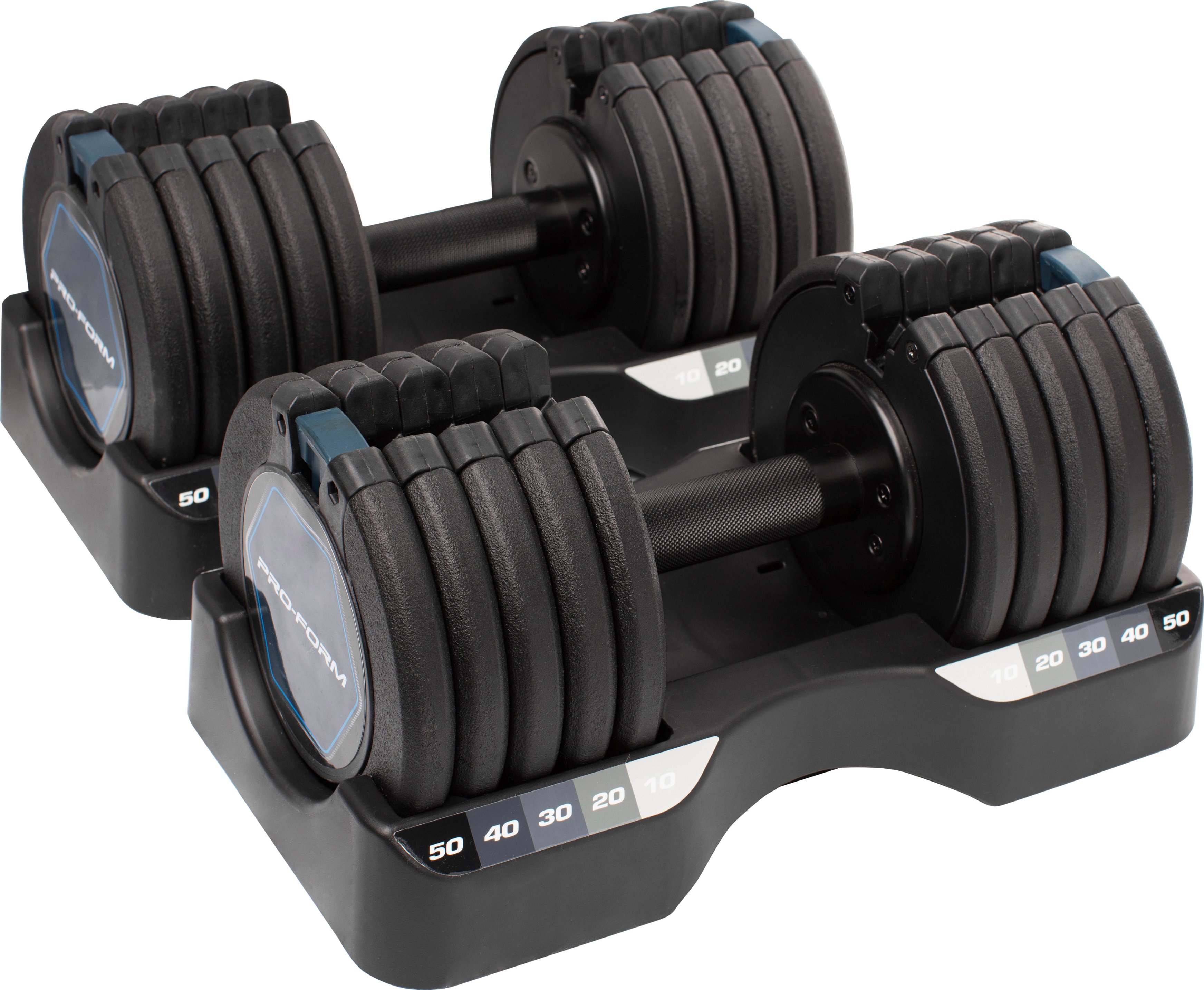
Ever feel like your mind gives up before your body does? That burn in your biceps screaming "stop!" often reflects a deeper mental barrier. We all know the physical benefits of strength training, but what if those humble dumbbells sitting in your garage could also forge an unshakeable mindset?
Dumbbell workouts aren't just about building bigger muscles; they're about building mental resilience. The focused effort required to complete each rep, especially when fatigue sets in, directly translates to improved concentration and the ability to push through discomfort in all areas of life. It's about learning to override that nagging voice that tells you to quit.
One simple shift can unlock this mental fortitude: treat each dumbbell workout as a practice in presence. Instead of rushing through your sets, focus on the muscle you're working, the controlled movement, and your breath. This mindful approach to training not only enhances muscle activation and reduces injury risk but also strengthens your ability to stay present and focused, even when things get tough – a skill that pays dividends whether you're tackling a demanding project at work or navigating a stressful personal situation. It's the pathway to true power, supporting not just your physical longevity but your mental well-being.
Embrace the challenge. See each dumbbell rep not just as a step towards a stronger body, but as a step towards a stronger mind. The iron sharpens the iron, and in this case, it also sharpens your mind.
The Mind-Muscle Connection: It's Real
The “mind-muscle connection” isn't just some trendy fitness buzzword. It's a scientifically recognized phenomenon where consciously focusing on a specific muscle during exercise enhances its activation. Dumbbell training, by its very nature, demands this connection.
Unlike machine exercises, which often provide stability and guide the movement, dumbbells require you to control the weight in three-dimensional space. This necessitates greater focus and concentration to maintain proper form, engage the target muscles, and prevent injury. Every single rep is a conscious decision, demanding you to actively participate and remain mentally present.
Think about a dumbbell bicep curl. You’re not just mindlessly lifting the weight. You’re consciously contracting your bicep, controlling the ascent and descent, and stabilizing your wrist and shoulder. This level of focus trains your brain to stay engaged and resist distractions.
Over time, this heightened awareness translates to improved focus and concentration in other areas of your life. You become more adept at filtering out distractions and staying present in the moment, whether you're trying to concentrate on a complex task, listening attentively to a conversation, or simply enjoying a quiet moment of reflection.
Can dumbbells build full-body strength?
Absolutely! While barbells are often associated with heavy compound movements, dumbbells offer a versatile alternative for building strength throughout your entire body. Dumbbell exercises like squats, lunges, rows, presses, and deadlifts can effectively target major muscle groups, promoting balanced training and functional fitness. The instability inherent in dumbbell training also engages more stabilizer muscles, enhancing overall strength and coordination. Don't underestimate the power of a well-structured home strength routine using dumbbells.
Overcoming the Burn: Building Resilience
One of the biggest mental challenges in any strength training program is pushing through the discomfort. That burning sensation in your muscles as you approach the end of a set is your body's signal of fatigue. It's also a crucial opportunity to build mental toughness.
Dumbbell training forces you to confront this discomfort head-on. Because you're lifting a load with each limb independently, there's no opportunity to compensate or rely on one side to carry the other. You have to push through the burn with each individual muscle group, cultivating a powerful sense of resilience.
This process of overcoming the burn during dumbbell workouts builds mental toughness in several ways: It teaches you to tolerate discomfort: By consistently pushing yourself to your limits, you learn that discomfort is temporary and that you can handle more than you think. It develops self-discipline: Completing a challenging set requires discipline and commitment, even when you feel like giving up. This cultivates a stronger sense of self-control. It boosts confidence:Each time you successfully complete a challenging workout, you build confidence in your ability to overcome obstacles.
These mental benefits extend far beyond the gym. The ability to tolerate discomfort, exercise self-discipline, and maintain confidence in the face of adversity are invaluable skills in all areas of life.
How often should I lift for results?
Consistency is key, but the ideal frequency depends on your experience level and goals. Generally, aiming for 2-3 dumbbell workouts per week, with rest days in between, is a good starting point. Focus on compound movements that engage multiple muscle groups and gradually increase the weight or resistance as you get stronger. Remember to prioritize proper form over lifting heavy weight to prevent injuries. Listen to your body and adjust your training schedule accordingly.
The Power of Progressive Overload: A Mental Game
Progressive overload, the principle of gradually increasing the demands on your muscles over time, is essential for building strength. But it's also a powerful tool for developing mental fortitude.
With dumbbells, progressive overload can be achieved in several ways: Increasing the weight: The most obvious way to increase the challenge is to lift heavier dumbbells. Increasing the reps: Adding more repetitions to each set can also increase the intensity. Increasing the sets: Performing more sets of each exercise provides a greater overall stimulus. Decreasing rest time: Reducing the rest time between sets forces your muscles to work harder. Changing the exercise:Introducing new and more challenging dumbbell exercises can stimulate muscle growth and enhance mental focus.
Each of these methods requires a conscious effort to push yourself beyond your comfort zone. It's about setting small, achievable goals and consistently working towards them. This process of gradual improvement cultivates a sense of mastery and builds confidence in your ability to achieve long-term goals.
But progressive overload is more than just adding weight. It's about embracing the challenge and consistently seeking improvement. It's a mental game of pushing your limits and overcoming obstacles, one small increment at a time. This mindset of continuous growth translates to other areas of your life, empowering you to tackle challenges with determination and resilience.
Are dumbbells joint-friendly exercises?
In many cases, yes! Dumbbells can be a great option for those with joint issues, as they allow for a more natural range of motion compared to fixed machines. They also allow you to work within your pain-free range of motion. However, it's crucial to use proper form and avoid lifting excessively heavy weight. If you have pre-existing joint conditions, consult with a physical therapist or qualified healthcare professional before starting a dumbbell training program. They can help you design a program that is safe and effective for your individual needs.
Beyond the Biceps: Mental Benefits for Life
The mental benefits of dumbbell training extend far beyond the walls of your home gym. The discipline, focus, and resilience you cultivate through these workouts can positively impact your work, relationships, and overall well-being.
Think about the challenges you face in your daily life: deadlines, difficult conversations, unexpected setbacks. These situations require you to stay focused, manage stress, and persevere in the face of adversity. The mental toughness you develop through dumbbell training provides you with the tools you need to navigate these challenges with greater confidence and resilience.
The ability to tolerate discomfort, exercise self-discipline, and maintain a positive mindset are invaluable assets in any endeavor. By consistently challenging yourself physically, you're simultaneously strengthening your mental muscles, preparing you to overcome obstacles and achieve your goals.
The iron you lift today can forge the strength you need for tomorrow, not just in your muscles, but in your mind. It's an investment in your overall well-being, empowering you to live a more fulfilling and resilient life. So, pick up those dumbbells, embrace the challenge, and unleash your mental potential. It’s a balanced training approach to mind and body.
Post a Comment for "How Dumbbells Build Mental Toughness and Focus"